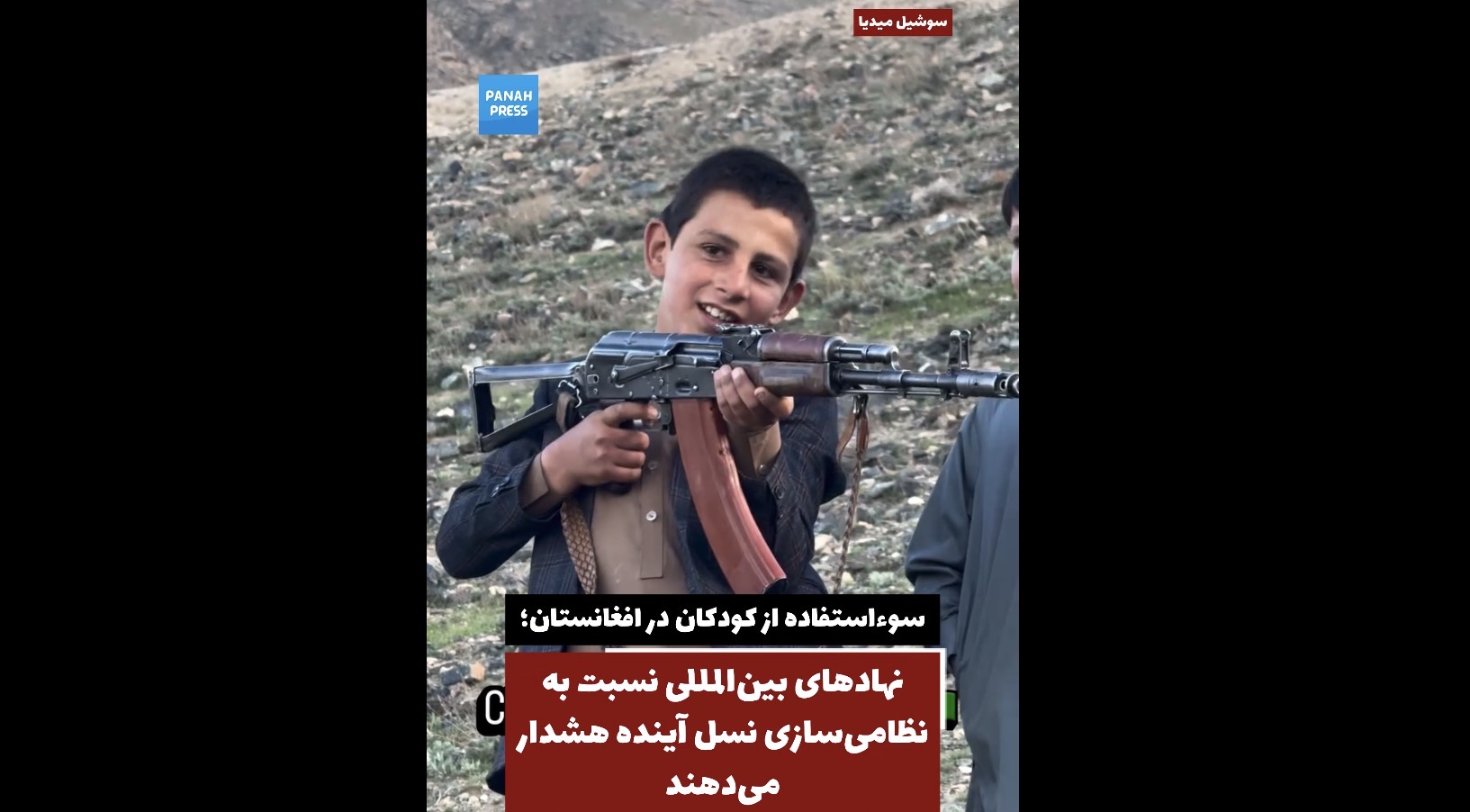
Reports from the United Nations, UNICEF, and human rights organizations indicate that some Afghan children, who should be attending schools and educational environments, have in certain cases been exposed to military training, displays of weapons, or recruitment into armed structures. Experts warn that the continuation of such practices could have serious consequences for the psychological and social development and future of these children.
According to reports by the European Union Agency for Asylum (EUAA), concerns about the recruitment and use of children by armed groups, including the Taliban, have continued after the Taliban returned to power. International organizations have repeatedly emphasized that children must be protected from any form of military involvement and should have access to education, security, and psychological support.
At the same time, educational restrictions in Afghanistan have prevented millions of children, especially girls, from continuing their studies. UNESCO and other international organizations have warned that the continuation of this situation not only violates children’s rights but also threatens Afghanistan’s future human development and social stability.
Psychologists and child rights experts say that exposing children to violent or military environments can increase the risk of behavioral problems and psychological harm. However, they emphasize that it cannot be predicted with certainty that all these children will become violent in the future, as other factors such as family support, education, mental health services, and social conditions also play a decisive role in shaping their personalities.
#ChildRights #Education #Afghanistan #Taliban #ChildrenOfAfghanistan