The continued decline in Kabul’s groundwater resources has raised concerns about the future availability of drinking water for residents of the capital. Recent assessments indicate that if groundwater extraction continues at the current rate, Kabul could face severe water shortages by 2030.
Recent reports on Kabul’s water situation indicate that the city’s groundwater levels have fallen by nearly 30 meters over the past decade. At the same time, the amount of water being extracted from underground aquifers is significantly greater than the amount replenished through rainfall and snowmelt.
According to estimates by Prosper Global, around 44 million cubic meters more water is extracted from Kabul’s aquifers each year than the amount naturally replenished. This is equivalent to more than 1.55 billion cubic feet of water.
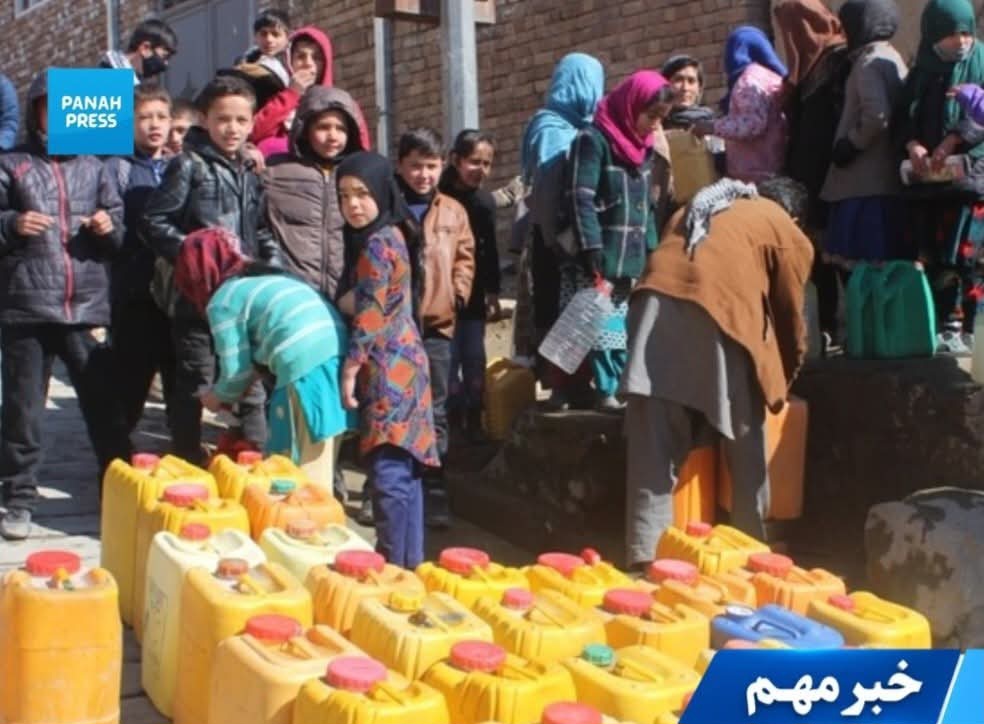
Another serious sign of the crisis is the reported drying up of nearly half of Kabul’s deep wells. As water levels decline, some families have been forced to deepen their wells or rely on public pumps and water supplied by tankers.
Field reports also indicate that groundwater levels have declined by tens of meters in some parts of Kabul. Experts identify excessive groundwater extraction, population growth and rising demand for water, drought, and declining rainfall and snowfall as major factors worsening the situation.
Meanwhile, the expansion of buildings and paved surfaces in Kabul has caused a large portion of rainwater to leave the city as runoff instead of seeping into the ground and replenishing aquifers. This has further reduced the natural capacity of underground water resources to restore their reserves.
At present, a large portion of Kabul’s residents depend on groundwater resources to meet their water needs. As a result, the continued decline in water levels could have widespread consequences for the lives, health, and livelihoods of families in the capital.
Some plans have been proposed to transfer water from surface sources and increase the replenishment of Kabul’s aquifers. However, experts emphasize that managing water consumption, preventing excessive extraction, and investing in sustainable water infrastructure are also essential to preventing the crisis from worsening.
If the current trend continues, Kabul’s water crisis will not be limited to the drying up of wells and could become one of Afghanistan’s most serious urban and humanitarian challenges in the coming years.
#Kabul #WaterCrisis #Groundwater #Afghanistan #Drought #Environment #PanahPress