
Panah Press | Saturday, October 17, 2026
Today, October 17, marks the International Day for the Eradication of Poverty, which this year focuses on the theme “Safe Housing for All.” The day highlights the fact that poverty is not limited to a lack of money; deprivation of safe housing, adequate food, education, healthcare services, and employment opportunities are also part of it. In Afghanistan, where many families struggle to meet their most basic needs, this occasion serves as a reminder of the suffering of millions of people who face hunger, unemployment, and an uncertain future every day.
The United Nations says that more than 2.8 billion people worldwide live in inadequate housing conditions. This includes living in unsafe, overcrowded, unaffordable, or poorly equipped homes. Poor people, displaced families, migrants, women, and children are among those most affected by these hardships. A safe home is more than just a roof over one’s head; it is an essential part of security, health, education, and human dignity.
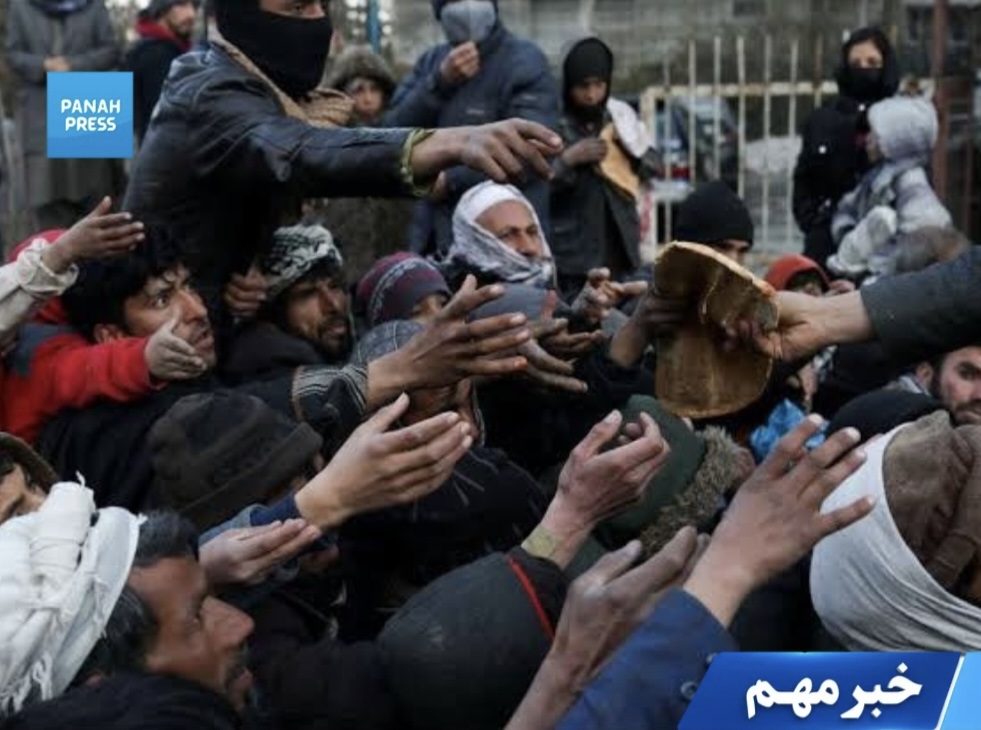
In Afghanistan, poverty extends beyond statistics. It can be seen in a family that borrows money to buy bread, a child who misses out on education because of financial difficulties, a patient who cannot afford medical treatment, and parents who, despite their efforts, cannot provide enough food for their children. For many families, getting through another day means making difficult choices between buying food, paying rent, and covering medical expenses.
According to a joint estimate by the World Food Programme (WFP) and the United Nations Food and Agriculture Organization (FAO), published on October 15, approximately 19.2 million people, equivalent to 38 percent of Afghanistan’s population, are projected to face acute food insecurity during the coming winter and lean season, from November 2026 to April 2027. Of these, around five million people are expected to face emergency levels of hunger, requiring urgent food assistance and emergency livelihood support.
These figures show that as temperatures fall, millions of people may face food shortages, high living costs, and difficulties accessing essential services at the same time. For a family without a stable income, winter is not merely a season of cold weather; it is a period when obtaining food, fuel, and adequate shelter can become a difficult struggle for survival.
Economic reports also indicate that improvements in some macroeconomic indicators have not necessarily translated into better living conditions for everyone. In its May 2026 report, the World Bank stated that Afghanistan’s economy grew by approximately 4.8 percent in 2025. However, due to rapid population growth and the return of large numbers of migrants, gross domestic product per capita declined by around 5.6 percent. Limited job opportunities, pressure on economic resources, and declining foreign aid have also affected low-income families.
The return of large numbers of migrants from neighbouring countries, amid limited employment opportunities and economic resources, has increased the need for shelter, jobs, education, and healthcare. Many returning families must rebuild their lives without sufficient savings, suitable housing, or a stable income. Under these circumstances, poverty can force families into debt, compel them to sell their few remaining assets, and deprive children of education.
Unemployment and limited economic opportunities are also major obstacles to reducing poverty in Afghanistan. Creating sustainable jobs, supporting small businesses, investing in agriculture, and improving people’s access to markets and financial resources are important for improving household livelihoods. Restrictions imposed on women’s education and employment have also reduced their economic opportunities and may increase vulnerable families’ dependence on assistance from others.
In rural areas, drought, water shortages, and agricultural difficulties can reduce the incomes of families dependent on farming and livestock. In cities, rent, food prices, and a lack of suitable employment make life increasingly difficult for low-income households. When a family’s income is insufficient to cover basic needs, the consequences of poverty extend beyond the present: children’s health, continued education, and opportunities for future generations are also put at risk.
Humanitarian assistance is essential in such circumstances to save lives and prevent hunger from spreading. However, aid alone cannot eradicate poverty sustainably. Reducing poverty requires long-term programmes that create employment opportunities, strengthen social protection, ensure access to education and healthcare, provide adequate housing, and improve household economies. Relevant institutions, humanitarian organisations, and the private sector can all play a role in reducing this crisis, provided that immediate assistance is accompanied by sustainable solutions.
The International Day for the Eradication of Poverty will have real meaning when it brings changes to people’s lives beyond slogans: when no family is forced to choose between buying bread and paying rent, no child is deprived of education because of poverty, and no patient is left without treatment because they cannot afford it. In Afghanistan, reducing poverty requires practical action, equal opportunities, and serious attention to the needs of people who have struggled for years with war, economic crisis, and instability.
Poverty is not only an empty pocket; sometimes it means an empty dining table, the absence of safe shelter, and the loss of hope for a better tomorrow. The fight against poverty can succeed only when every person has access to adequate food, suitable housing, education, and employment opportunities, and can work towards their future without the constant fear of hunger and homelessness.
#PanahPress #InternationalDayForTheEradicationOfPoverty #Afghanistan #Poverty #Hunger #SafeHousing #HumanRights