Panah Press | Thursday, October 15, 2026
In a city where children head to school every morning with their small backpacks, some families spend their nights worrying and waiting, hoping their child will return home and the sound of their laughter will once again fill the house. According to figures from the Taliban’s Ministry of Labour and Social Affairs, 120 cases of missing children under the age of 18 were recorded in Kabul during the Afghan year 1404, including 85 girls.
Behind every number is a child’s life and a family’s anguish: a child who may have disappeared on the way to school or while playing with friends, and a family that still does not know where their child is or what has happened to them.
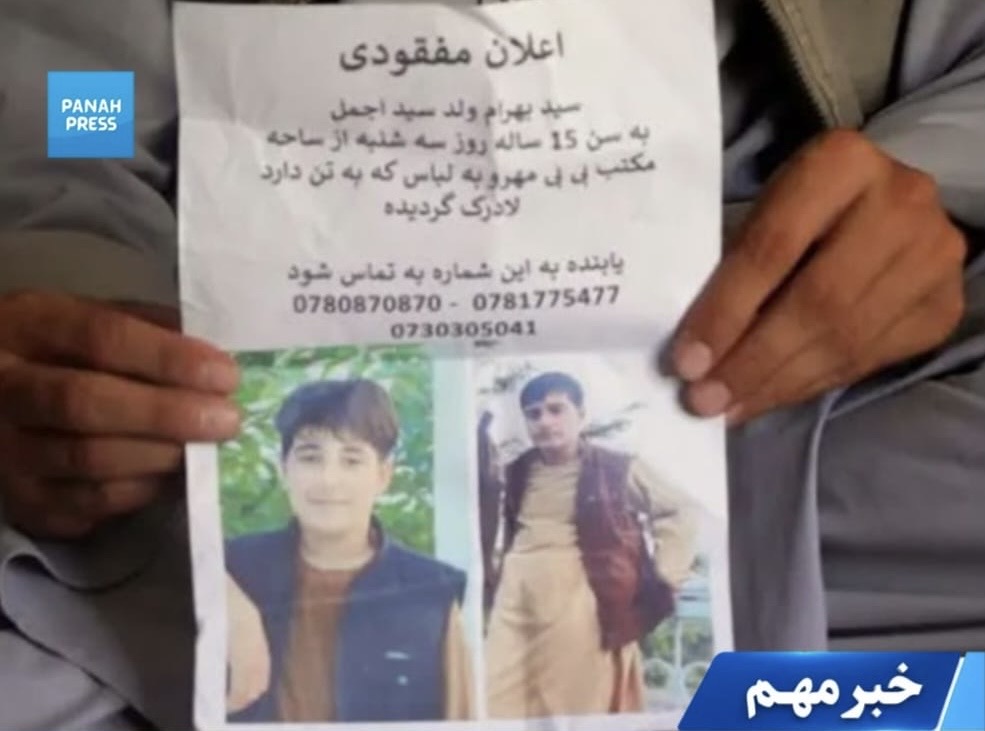
Sayed Bahram, a 14-year-old boy, left home to go to school but never returned. His family has spent more than two months searching hospitals and security police districts for him and has even travelled to Nimroz Province, but they still have no information about his whereabouts. More than two months without a clear answer have not eased the family’s anxiety.
The fate of Fatima, a five-year-old girl, was even more tragic. She disappeared in Kabul, and her body was found four days later. According to the report, because the body had decomposed, forensic experts could not determine the exact cause of her death. The time of death was also estimated to have been approximately 72 hours before the examination. The death of this child, and the failure to establish its exact cause, once again highlights the need for serious investigations into such incidents.
Figures That Raise Serious Questions
Mohammad Sediq Tawhidi, spokesperson for the Taliban’s Ministry of Labour and Social Affairs, told the BBC that information on 2,061 children was registered in Kabul during the Afghan year 1404. According to him, 1,436 children who had been taken off the streets while begging were registered, provided with support, and returned to their families. Another 505 children had been returned to Afghanistan, and 120 cases of missing children had been recorded. He added that 85 children are currently being housed at the ministry’s support centre.
However, these figures do not specify how many of the 120 missing children have been found and how many remain missing. There are also no comprehensive, independent figures on missing children across Afghanistan. The lack of clear information about these children’s whereabouts raises questions about how cases are being followed up and how the responsible institutions are being held accountable.
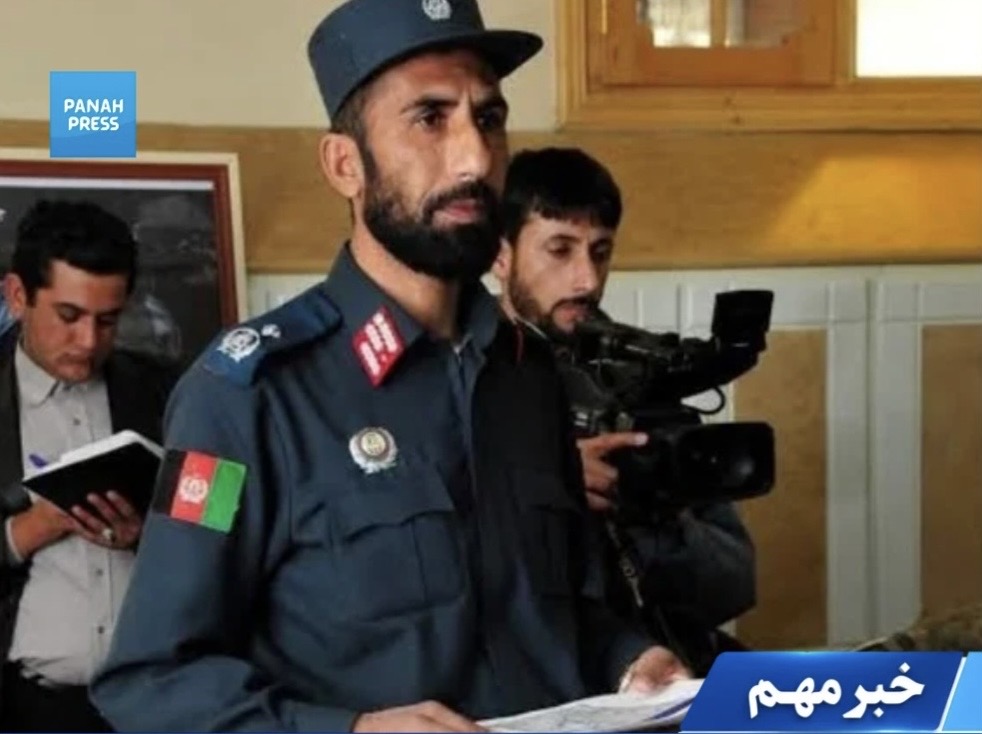
Sher Ahmad Rohani, former head of Kabul Police’s 119 unit, has claimed that kidnapping has been eliminated in Afghanistan. However, this claim has not been independently verified. Without comprehensive and transparent statistics, it is difficult to assess the situation. For a family that has spent months searching for its child, what matters more than any claim is knowing how the case is being pursued and what steps have been taken to find the child.
Vulnerable Children and the Responsibility of Relevant Institutions
Children separated from their families, particularly unaccompanied children and those returning from neighbouring countries, may be exposed to violence, abuse, human trafficking, and homelessness. Under such circumstances, protecting children, promptly following up on missing-person cases, and providing families with clear information are important responsibilities of the relevant Taliban government institutions.
The Dutch-based KidsRights Foundation also ranked Afghanistan last among 194 countries in its 2026 KidsRights Index, an assessment rejected by Taliban officials. Alongside concerns about children’s safety, the report highlights the importance of paying greater attention to children’s rights and protection.
Families Are Demanding Answers
Families of missing children need clear answers above all: Are their children’s cases being followed up? What steps have been taken to find them? And which institution is accountable for the fate of these children?
The registration of 120 missing children in Kabul in one year, including 85 girls, is not an issue that can be easily overlooked. The responsible Taliban government institutions should take families’ concerns seriously by providing transparent statistics, pursuing cases diligently, and keeping families informed. Every day without news adds to the suffering of families who do not know where their children are.
No child should disappear in silence, and no family should be left waiting without information or clear answers.
#Afghanistan #Kabul #MissingChildren #ChildRights #Taliban #PanahPress