

Panah Press | Friday, October 16, 2026
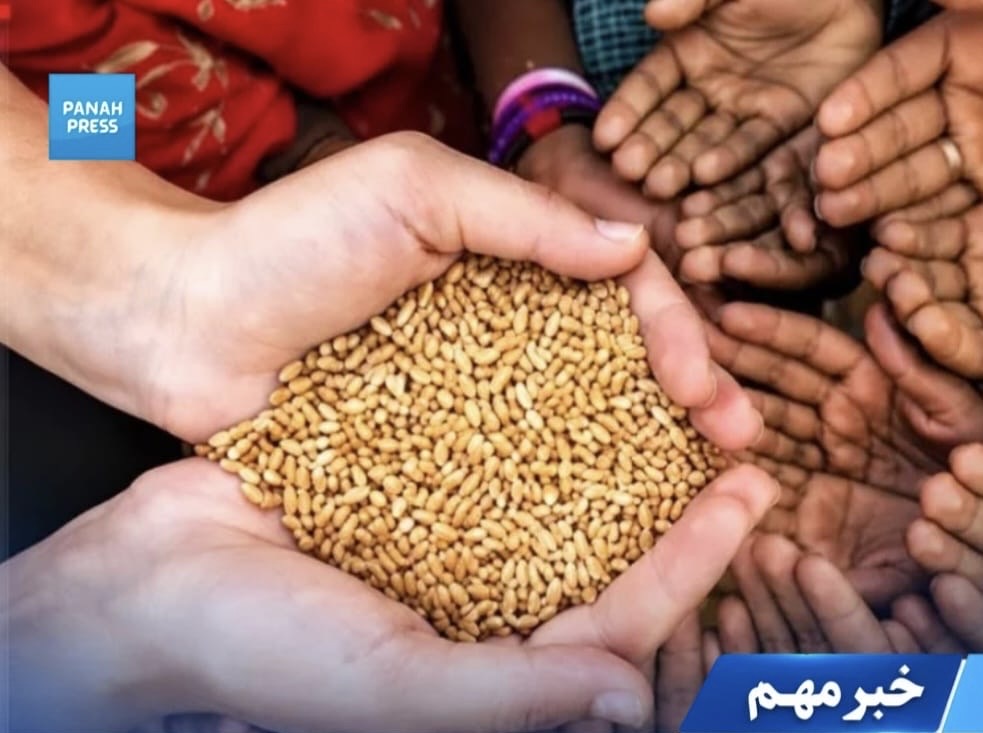
Today, October 16, marks World Food Day, an occasion aimed at drawing attention to hunger, malnutrition, and the universal right to access adequate and nutritious food. This day comes as millions of Afghans struggle to provide daily meals for their families due to poverty, unemployment, and declining purchasing power.
According to a recent report by the United Nations Food and Agriculture Organization (FAO) and the World Food Programme (WFP), published on October 15, an estimated 19.2 million people—equivalent to 38 percent of Afghanistan’s population—are expected to face acute food insecurity between November 2026 and April 2027. Of these, around five million people are projected to be in an emergency situation and require urgent assistance.
The economic crisis and Taliban policies are among the key factors worsening living conditions in Afghanistan. Following the Taliban’s return to power in August 2021, the suspension of much direct foreign assistance, economic isolation, and declining employment opportunities have placed additional pressure on families. Taliban restrictions on women’s education and employment have also reduced their opportunities to earn income and participate in the economy. Decades of war, widespread poverty, and a lack of job opportunities continue to affect people’s lives.
Cuts in humanitarian assistance, the return of more than 1.2 million Afghans from neighbouring countries this year, disruptions to trade, and rising food and transportation costs have further limited families’ access to adequate food. Despite favourable rainfall and improved agricultural production this year, many people cannot afford food because they lack sufficient income.
According to FAO and WFP projections, around four million women and children will require treatment for acute malnutrition in 2027. This situation has heightened concerns about the health of children and vulnerable families.
Afghanistan’s situation shows that tackling hunger requires more than increasing agricultural production. Creating job opportunities, strengthening household economies, supporting farmers, ensuring humanitarian assistance, and enabling women to participate in economic activities are also essential to improving food security.
#PanahPress #WorldFoodDay #Afghanistan #Taliban #Hunger #FoodSecurity