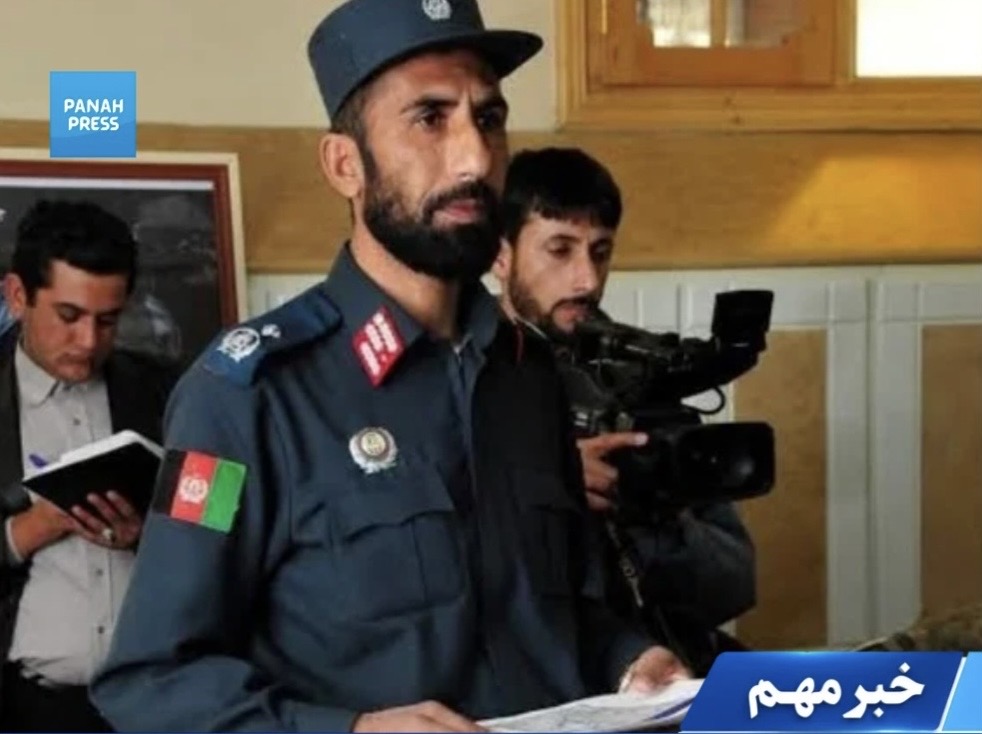
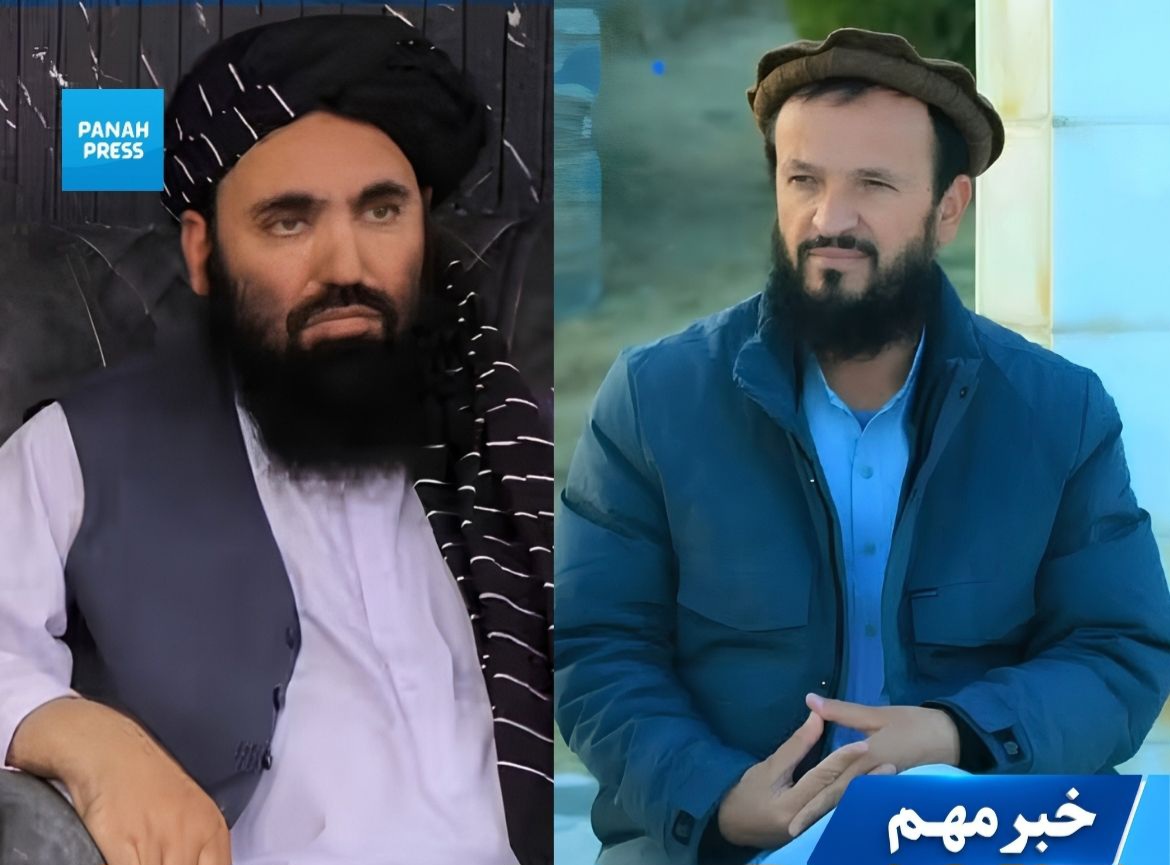
Qari Asil, the Taliban’s district governor in Tagab district of Badakhshan province, resigned from his position after he was unable to meet Rahmatullah Najib, the Taliban’s governor of Badakhshan.
In a WhatsApp voice message released on Sunday, September 27, he said he had waited outside the governor’s office from 9 a.m. until 12:30 p.m. According to him, the governor eventually left the office, and his secretary said that the meeting should have been arranged in advance. He responded that the problem had arisen that same day and that there had been no such problem one or two days earlier. Some media outlets have reported that he waited for more than four hours.
Asil described continuing in the position as causing him “humiliation” and said: “Personally, I would reject a responsibility that causes me to lose my dignity a thousand times, even if it were a ministerial position.” He added: “We do not sell our self-respect to anyone; we are not anyone’s slaves.” He also said that if a district governor is treated this way, it is unclear how ordinary people will be treated.
Rahmatullah Najib, a former deputy interior minister of the Taliban, was appointed as governor of Badakhshan about five weeks ago by order of the Taliban leader, replacing Ismail Ghaznavi. The change came after several security incidents and increased activity by armed opponents of the Taliban in the province. Following his appointment, Najib described the activities of opposition fronts as “unknown and useless.” There have also been reports of the arrest of several people in Badakhshan on allegations of links to these fronts.
Khorasan Times, citing local sources, reported that local Taliban commanders in Badakhshan had previously complained about the treatment they received from Pashtun members of the group. This claim has not yet been independently confirmed by another source.
Broader Discontent
Asil’s resignation comes amid criticism from Taliban opponents over the alleged exclusion of non-Pashtuns from the power structure. Etilaatroz writes that the Taliban leadership has removed senior Tajik and Hazara commanders from decision-making centers. The publication cites the Balkhab conflict in Sar-e Pol, which involved the departure of the Hazara Taliban commander Mawlawi Mehdi Mujahid from the group, and disputes in Darwaz, Badakhshan, as examples. The same report warns that interpreting these events solely along ethnic lines would be an oversimplification.
Karim Khalili, leader of the Hizb-e Wahdat-e Islami party, has accused the Taliban of closing and confiscating religious centers, taking control of economic and commercial centers, and imposing ethnic and sectarian restrictions on Hazaras. Mohammad Mohaqiq has also warned that continued pressure on Hazaras and Shias could increase popular resistance and deepen divisions with Tajiks, Uzbeks, and even Pashtuns who oppose the Taliban’s interpretation. Taliban officials have so far made no public comment on these allegations or Asil’s resignation.
#Afghanistan #Badakhshan #Tagab #Taliban #Resignation #RahmatullahNajib #QariAsil #AfghanistanNews